흰동가리(클라운피쉬)는 왜 말미잘 속에서 살까?
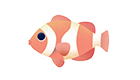
주황색 몸에 하얀 줄무늬 세 개. 영화 ‘니모를 찾아서’로 유명한 흰동가리(클라운피쉬)는 늘 말미잘 촉수 사이를 들락날락하며 살아요. 그런데 말미잘은 작은 물고기를 쏘아서 잡아먹는 동물이에요. 흰동가리는 어떻게 그 안에서 멀쩡히 지낼 수 있을까요?
말미잘의 독침이 통하지 않는 이유
말미잘 촉수에는 자포라는 아주 작은 독침 세포가 빽빽하게 있어요. 무언가 닿으면 작살처럼 튀어나가 먹잇감을 마비시키죠. 흰동가리가 무사한 비밀은 몸을 감싼 점액층에 있어요. 이 점액이 자포가 발사되지 않도록 막아준다고 알려져 있어요.
최근 연구에서는 그 이유가 조금 더 밝혀졌어요. 말미잘은 점액 속 시알산이라는 당 성분을 감지해 독침을 쏘는데, 흰동가리의 점액에는 이 성분이 아주 적다는 거예요. 말미잘 입장에서는 ‘먹이’로 인식되지 않는 셈이죠.
그렇다고 처음부터 바로 들어가는 건 아니에요. 새 말미잘을 만나면 흰동가리는 촉수에 몸의 여러 부분을 살짝살짝 대보면서 천천히 적응하는 과정을 거쳐요. 마치 조심스럽게 인사를 나누는 춤처럼요.
서로 돕고 사는 공생 관계
흰동가리와 말미잘은 한쪽만 이득을 보는 관계가 아니에요. 둘 다 도움을 주고받는 상리공생이에요.
- 말미잘이 주는 것: 천적이 다가오지 못하는 안전한 집, 알을 낳고 지킬 장소, 먹고 남은 먹이 부스러기
- 흰동가리가 주는 것: 말미잘을 뜯어먹으려는 물고기 쫓아내기, 기생충과 찌꺼기 청소, 지느러미로 물을 순환시키기, 배설물을 통한 영양분 공급
그래서 흰동가리는 집 말미잘에서 멀리 벗어나지 않아요. 보통 말미잘 주변 아주 가까운 거리 안에서만 생활한다고 해요. 참고로 바다에는 1,000종이 넘는 말미잘이 있지만, 흰동가리가 함께 살 수 있는 종은 10종 정도뿐이에요.
대장이 사라지면 성별이 바뀌는 물고기
흰동가리의 또 다른 놀라운 점은 성별이 바뀐다는 거예요. 흰동가리는 모두 수컷으로 성숙하고, 한 말미잘에 사는 무리에서 가장 큰 개체가 암컷, 두 번째로 큰 개체가 번식 수컷이 돼요.
만약 암컷이 사라지면, 번식 수컷이 암컷으로 변하고 그다음 크기의 개체가 새 번식 수컷 자리를 이어받아요. 이렇게 수컷에서 암컷으로 바뀌는 방식을 웅성선숙이라고 해요. 영화 속 이야기를 과학적으로 따져보면, 니모의 아빠 말린이 사실은 엄마가 됐어야 한다는 농담이 나오는 이유죠.
흰동가리의 집이 위험해요
흰동가리가 사는 말미잘도 산호처럼 몸속에 공생 조류를 품고 있어요. 바닷물 온도가 너무 오르면 이 조류를 내보내며 하얗게 변하는 백화현상을 겪어요.
한 연구에서는 백화된 말미잘에 사는 흰동가리가 건강한 말미잘에 사는 흰동가리보다 알을 덜 낳았고, 살아남은 알도 크게 줄었다고 해요. 스트레스 호르몬 수치도 더 높았고요. 결국 흰동가리를 지키려면 그 집인 말미잘과 산호초, 그리고 바다 전체가 건강해야 한다는 뜻이에요.
우리가 할 수 있는 일은 생각보다 가까이 있어요. 일회용 플라스틱 줄이기, 바닷가에 쓰레기 남기지 않기, 산호에 해로운 성분이 적은 선크림 고르기 같은 작은 습관들이 모여 바다를 지켜요.
My Little Sea 속 클라운피쉬
바다 키우기 게임 My Little Sea에서도 클라운피쉬를 만날 수 있어요. ‘말미잘 속 인기 스타’라는 별명의 희귀 등급 큰 물고기예요. 바다에 떠다니는 쓰레기를 치우고, 수초와 산호를 심어 깨끗해진 나만의 바다에서 클라운피쉬가 헤엄치는 모습을 느긋하게 바라보는 것도 꽤 괜찮은 휴식이 돼요.
An orange body with three white stripes. Made famous by Finding Nemo, clownfish spend their lives darting in and out of sea anemone tentacles. But anemones are animals that sting and eat small fish. So how do clownfish live there safely?
Why the anemone's sting doesn't work
Anemone tentacles are packed with tiny stinging cells called nematocysts. When something touches them, they fire like little harpoons and paralyze prey. The clownfish's secret is the layer of mucus covering its body, which is known to keep those stinging cells from firing.
Recent research has shed more light on why. Anemones sense a sugar called sialic acid in mucus before they sting, and clownfish mucus contains only very low levels of it. To the anemone, the clownfish simply doesn't register as food.
Clownfish don't move in right away, though. When they meet a new anemone, they gently touch its tentacles with different parts of their bodies and get used to it little by little, almost like a careful greeting dance.
A partnership where both sides win
This isn't a one-sided deal. Clownfish and anemones have a mutualistic relationship that benefits both.
- What the anemone gives: a safe home that predators avoid, a place to lay and guard eggs, and leftover food scraps
- What the clownfish gives: chasing off fish that would nibble the anemone, cleaning away parasites and debris, moving water with its fins, and nutrients from its waste
That's why clownfish rarely stray far from their host anemone. And while there are more than 1,000 species of sea anemones, only about 10 can host clownfish.
A fish that changes sex when the leader is gone
Another surprising fact: clownfish can change sex. All clownfish mature as males first. In a group living in one anemone, the largest fish is the female and the second largest is the breeding male.
If the female disappears, the breeding male becomes female, and the next largest fish takes over as the new breeding male. Changing from male to female like this is called protandry. It's why people joke that, scientifically speaking, Nemo's dad Marlin should have become his mom.
The clownfish's home is in danger
Like corals, the anemones clownfish live in host symbiotic algae inside their bodies. When the water gets too warm, they expel these algae and turn white, a process called bleaching.
One study found that clownfish living in bleached anemones laid fewer eggs than those in healthy anemones, and far fewer of their eggs survived. They also had higher levels of stress hormones. In short, protecting clownfish means keeping their anemone homes, the reefs, and the whole ocean healthy.
What we can do is closer than you might think. Using less single-use plastic, leaving no trash on the beach, and choosing reef-friendlier sunscreen are small habits that add up to protect the sea.
Clownfish in My Little Sea
You can meet clownfish in the ocean-growing game My Little Sea, too. Nicknamed "the popular star among sea anemones," it's a rare big fish. Clear the floating trash, plant seaweed and coral, and take a relaxing moment to watch a clownfish swim through your own clean little sea.
나만의 작은 바다, 직접 가꿔볼까요?
쓰레기를 치우고 수초와 산호를 심어 물고기를 키우는 힐링 게임 My Little Sea. 잔잔한 파도 소리와 함께 하루 끝에 물멍 한 스푼.
Clean up the trash, plant seaweed and coral, and raise fish in My Little Sea, a relaxing ocean game. Unwind at the end of the day with calm wave sounds.