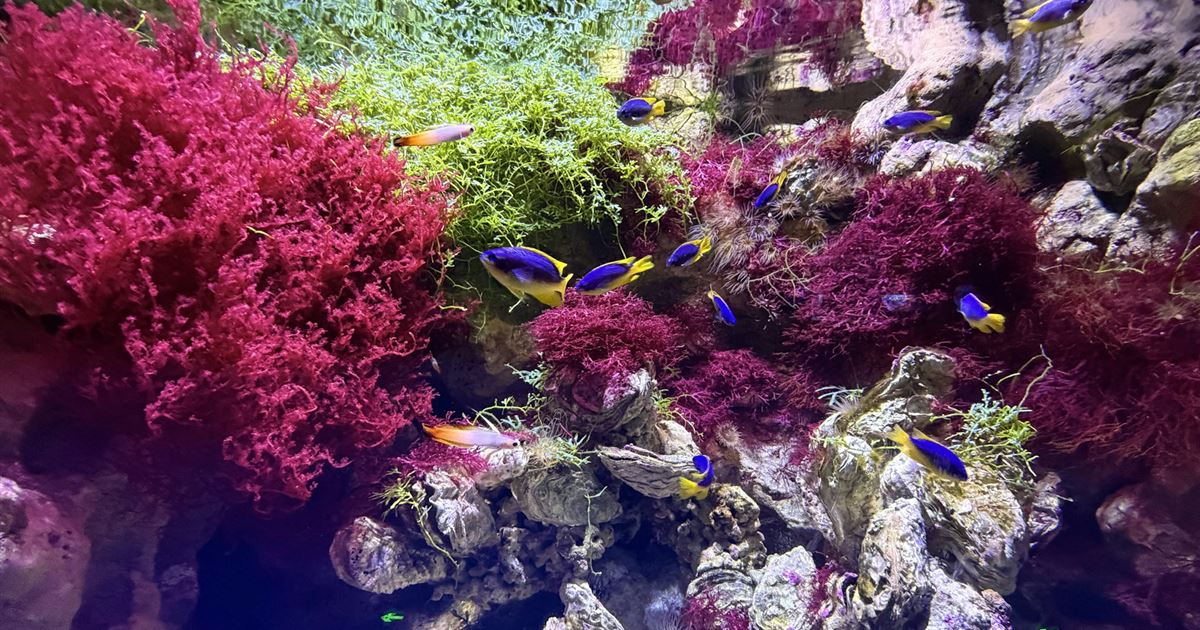
My Little Sea 헬퍼 3종·구조물 9종 가이드와 바다 이야기
My Little Sea에는 바다를 청소하고 꾸며 주는 헬퍼가 3종, 바다 바닥을 채우는 구조물이 9종 있어요. 이름만 봐도 하는 일이 떠오르는 친구들이라, 오늘은 12가지를 한눈에 정리하고 각각 진짜 바다에서는 어떤 이야기가 있는지 함께 알아볼게요.
헬퍼 3종, 이름과 하는 일
게임 사이트의 헬퍼 소개에 적힌 내용 그대로 정리했어요.
- 버블가드 (Bubble Guard): 바다를 돌아다니면서 쓰레기를 분해하여 생명에너지로 전환해 줘요.
- 푸른 집게 (Blue Claw): 해조류를 키우면서 생명에너지를 수확해요.
- 에코소라게 (Echo Hermit): 이동하며 근처의 쓰레기 분해를 도와요. 쓰레기를 분해해 에코바를 채우면 특별한 선물을 줘요.
헬퍼 그림은 홈 화면의 헬퍼 칸에서 볼 수 있어요.
구조물 9종 한눈에 보기
구조물은 바다 바닥을 장식하는 바위와 돌멩이들이에요.
- 푸른 줄무늬 바위, 초록 줄무늬 바위, 층이 있는 바위
- 소라게 동굴: 소라게가 살 수 있는 작은 동굴 형태의 구조물
- 조그마한 바위들, 줄무늬 돌멩이, 자그마한 돌멩이들, 작은 바위 더미
- 작은 해초와 돌멩이들: 작은 해초가 자라난 돌멩이 구조물로, 생태계를 풍부하게 해요.
9종의 그림은 홈 화면의 구조물 칸에 모여 있어요.
진짜 바다에서도 바위는 물고기의 피난처예요
미국 해양대기청(NOAA) 수산국은 암초를 물속에 잠긴 바위 지형이라고 설명해요. 이런 바위 지형은 어린 물고기와 작은 물고기가 숨을 수 있는 피난처가 되고, 조류와 무척추동물이 붙어 사는 표면이 되어 줘요. 게임에서 바위 사이로 작은 물고기가 오가는 모습이 보기 좋은 데에는 이런 이유가 있는 셈이에요.
쓰레기는 저절로 사라지지 않아요
버블가드는 쓰레기를 분해해 주는 든든한 헬퍼지만, 진짜 바다에서는 쓰레기가 쉽게 분해되지 않아요. NOAA는 사람이 만든 제품이 완전히 생분해되지 않고, 분해되는 데 수백 년이 걸릴 수도 있으며 유리 같은 것은 아예 분해되지 않는다고 설명해요. 얼마나 걸리는지는 재료, 크기, 두께, 햇빛에 노출되는 정도 같은 조건에 따라 달라서 하나의 숫자로 말하기 어렵다고 해요.
NOAA 해양쓰레기 프로그램에 따르면 플라스틱은 햇빛, 바닷물, 파도에 부서져 점점 작은 조각인 미세플라스틱이 되고, 완전히 사라지지 않을 수도 있어요. 그래서 바다에 들어가기 전에 줄이는 게 가장 확실해요. 게임에 나오는 쓰레기 종류가 궁금하다면 해양쓰레기 도감과 바다 쓰레기 통계를 함께 둘러보세요.
해조류를 키우는 일은 진짜로 있어요
푸른 집게가 해조류를 키우는 모습은 실제 바다 농사와도 닮았어요. 해양수산부 보도자료에 따르면 2025년 우리나라 해면양식 생산량 가운데 김이 71.8만 톤, 미역이 63.1만 톤으로 큰 비중을 차지했어요. 국제연합식량농업기구(FAO) 자료에서는 2020년 세계 해조류 생산량의 97퍼센트가 양식으로 얻은 것이었어요.
소라게는 왜 집을 옮겨 다닐까요
에코소라게와 소라게 동굴의 주인공인 소라게는 배 쪽이 연약해서 빈 고둥 껍데기를 집으로 써요. 사이언티픽 아메리칸에 실린 연구자의 글에 따르면, 소라게는 자라면서 더 큰 껍데기를 찾아 옮기는데 빈 껍데기 하나가 나오면 여러 마리가 차례로 집을 바꾸는 줄이 생겨요. 이 줄을 빈집 사슬이라고 부르고, 연구에서는 평균 2.5마리가 새 집을 얻었다고 해요. 소라게 이야기는 소라게 자취일기 1화에서도 만날 수 있어요.
나만의 바다를 꾸며 보세요
My Little Sea에서는 헬퍼가 쓰레기를 치우고 구조물이 바다 바닥을 채워 주면 바다가 조금씩 아늑해져요. 퇴근 후 바위 사이를 오가는 물고기와 느릿한 헬퍼를 바라보며, 진짜 바다의 쓰레기도 한 번쯤 떠올려 보면 좋겠어요. 어떤 물고기가 사는지 궁금하다면 물고기 도감도 둘러보세요.
My Little Sea has 3 helpers that clean and decorate the sea, and 9 structures that fill the seafloor. Their names make it easy to guess what they do, so today we will go through all 12 at a glance and look at the real-ocean story behind each one.
The 3 Helpers and What They Do
These follow the helper descriptions on the game site.
- Bubble Guard: Travels around the sea, breaking down trash and converting it into life energy.
- Blue Claw: Grows seaweed and harvests life energy.
- Echo Hermit: Helps decompose nearby trash while moving around. Fills the eco-bar by decomposing trash and gives special gifts.
You can see the helper pictures in the helper section on the home page.
The 9 Structures at a Glance
Structures are the rocks and pebbles that decorate the seafloor.
- Blue Striped Rock, Green Striped Rock, Layered Rock
- Hermit Crab Cave: a small cave-like structure where hermit crabs can live
- Small Rocks, Striped Pebble, Tiny Pebbles, Small Rock Pile
- Small Seaweed and Pebbles: a pebble structure with small seaweed growing on it, enriching the ecosystem
All 9 are shown in the structure section on the home page.
In the Real Ocean, Rocks Are Shelter for Fish Too
NOAA Fisheries describes rocky reefs as submerged rock outcrops. These rocky structures create refuges for juvenile and smaller fish, and give algae and invertebrates a surface to live on. That is one reason small fish weaving between rocks looks so natural in the game.
Trash Does Not Just Disappear
Bubble Guard is a handy helper that breaks trash down, but in the real ocean trash does not break down easily. NOAA explains that human-made products are not completely biodegradable, that they can take possibly hundreds of years to degrade, and that some things such as glass never degrade. How long it takes depends on material type, size, thickness and conditions such as sunlight, so it is hard to give a single number.
According to the NOAA Marine Debris Program, plastic breaks into smaller and smaller pieces called microplastics under sun, salt water and waves, and may never fully go away. That is why cutting trash before it reaches the sea is the surest step. To learn about the trash that appears in the game, browse the Ocean Trash Guide and the Ocean Trash Statistics page.
Growing Seaweed Is a Real Job
Blue Claw growing seaweed looks a lot like real sea farming. According to a press release from Korea's Ministry of Oceans and Fisheries, in 2025 Korean marine aquaculture produced 718,000 tonnes of laver and 631,000 tonnes of sea mustard (miyeok). In an FAO document, 97 percent of the world's seaweed production in 2020 came from farming.
Why Do Hermit Crabs Keep Moving House?
Hermit crabs, the stars of Echo Hermit and the Hermit Crab Cave, have a vulnerable abdomen and use empty snail shells as homes. In an article by a researcher in Scientific American, hermit crabs move into larger shells as they grow, and when one empty shell turns up, several crabs swap homes in sequence. This is called a vacancy chain, and in the study an average of 2.5 crabs got a new home. You can meet hermit crabs in Hermit Crab Diary episode 1 too.
Decorate Your Own Sea
In My Little Sea, the sea grows cozier as helpers clear trash and structures fill the seafloor. After work, while you watch fish drift between rocks and slow helpers go about their day, it would be nice to think for a moment about trash in the real ocean too. If you are curious about the fish that live there, browse the Fish Guide as well.

나만의 작은 바다, 직접 가꿔볼까요?
쓰레기를 치우고 수초와 산호를 심어 물고기를 키우는 힐링 게임 My Little Sea. 잔잔한 파도 소리와 함께 하루 끝에 물멍 한 스푼.
Clean up the trash, plant seaweed and coral, and raise fish in My Little Sea, a relaxing ocean game. Unwind at the end of the day with calm wave sounds.
참고 자료
- NOAA Fisheries, Rocky Reef on the West Coast
- NOAA National Ocean Service, Can marine debris degrade on its own in the environment?
- NOAA Marine Debris Program, Plastic
- 해양수산부 보도자료, 2025년 우리나라 수산물 생산량은 전년보다 8.7%, 연근해 생산량은 16.3% 증가
- FAO Committee on Fisheries, Sub-committee on Aquaculture, Recognizing and enhancing the contribution of algae to global aquaculture development
- Scientific American, Hermit Crabs Trade Up by Exchanging Shells in Queue
- 대표 사진: Binzi Xu / Unsplash (Cover photo: Binzi Xu / Unsplash)