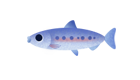
My Little Sea 작은 물고기 도감: 정어리부터 해마까지 11종
바다의 쓰레기를 치우고 나면 그 자리를 가장 먼저 채워 주는 건 손가락만 한 작은 물고기들이에요. My Little Sea에는 큰 물고기 말고도 작은 물고기가 모두 11종 있어요. 오늘은 게임 속 작은 물고기들을 한 번에 정리하고, 그중 실제 바다에서도 만날 수 있는 정어리, 청어, 학꽁치, 블레니, 해마가 어떻게 사는지 함께 알아볼게요.
작은 물고기 11종 한눈에 보기
게임 소개 페이지에서는 작은 물고기를 깨끗해진 바다에 방류해서 생태계의 균형을 되찾아 주는 친구들로 소개해요. 11종의 이름과 게임 속 한 줄 소개는 이렇게 생겼어요.
- 정어리: 작지만 뭉치면 힘이 나는 바다 속의 팀플레이어
- 줄무늬 물고기: 가로줄 하나로 확실한 존재감
- 학꽁치: 입이 길지만, 말보단 조용히 헤엄치는 스타일
- 노랑꼬리 물고기: 노란 꼬리로 포인트를 주는 바다의 디자이너
- 에보니라인: 검은 줄 하나로 시선을 사로잡는 바다의 신비주의자
- 청어: 신선함이 매력인 바다의 은빛 여행자
- 블루아이: 푸른 눈으로 고요한 바다를 관찰하는 조용한 감시자
- 스트라이프백: 줄무늬로 멋을 낸 바다의 트렌드세터
- 가위꼬리: 날카로운 꼬리 모양이 특징인 빠른 수영선수
- 블레니: 장난기 많은 바다의 개구쟁이
- 해마: 우아하게 수직으로 움직이는 바다의 귀족
줄무늬 물고기, 노랑꼬리 물고기, 에보니라인, 블루아이, 스트라이프백, 가위꼬리는 이름만으로는 실제 어떤 종인지 하나로 정하기 어려워요. 그래서 아래에서는 실제 종이 분명한 다섯 친구를 중심으로 진짜 바다 이야기를 이어 갈게요.
뭉치면 힘이 나는 정어리와 청어
정어리와 청어는 둘 다 청어과에 속하는 가까운 친척이에요. 몬터레이베이 수족관은 태평양 정어리를 "함께 지내는 것이 삶의 방식"인 물고기로 소개해요. 떼를 지어 다니면 포식자가 다가와도 숫자 속에 숨을 수 있고, 번식할 때가 되어도 짝을 멀리서 찾을 필요가 없대요.
수천 마리가 한 몸처럼 방향을 바꾸는 모습은 미리 짜 놓은 안무 같지만, 사실 한 마리 한 마리는 바로 옆 친구와만 움직임을 맞춰요. 눈으로 보는 정보와 함께 물의 흔들림을 느끼는 감각 기관(신경소구)을 쓴다고 해요. 우즈홀 해양연구소도 물고기가 떼를 짓는 이유로 포식자 피하기, 먹이가 많은 곳 찾기, 짝 찾기를 꼽아요.
청어는 바다 먹이사슬을 아래에서 떠받치는 물고기예요. 미국 해양대기청(NOAA)에 따르면 태평양 청어는 1년에 한 번 얕은 해안으로 몰려와 켈프 같은 큰 해조류나 잘피 위에 알을 붙여 낳아요. 대서양 청어의 어린 물고기는 작고 수가 많아서 여러 물고기와 상어, 해양 포유류, 바닷새의 중요한 먹이가 되고요. 작은 물고기가 넉넉해야 큰 생물도 살 수 있는 셈이에요.
학의 부리를 닮은 학꽁치
학꽁치는 이름처럼 아래턱이 학의 부리처럼 앞으로 길게 뻗은 물고기예요. 수산물안전정보서비스에 따르면 아래턱이 위턱 길이의 두 배가 넘고, 다 자라면 40cm 정도까지 커요. 몸은 가늘고 길며 등은 청록색, 배는 은백색이에요.
이름은 꽁치와 비슷하지만 사실 전혀 다른 어종이에요. 꽁치는 붉은 살 생선이고 학꽁치는 흰살 생선이에요. 학꽁치는 우리나라 남부 해안에 많고, 수심 50m 이내의 얕은 바다에서 떼를 지어 살아요. 바닷물과 민물이 섞이는 강 하구를 지나 강 위쪽까지 올라가기도 해요. 헤엄은 빠르지 않지만 주변 변화에 민감해서 놀라면 수면 위로 뛰어오르고, 4~7월에는 떠다니는 해조류 등에 알을 낳아요.
바위 위의 개구쟁이 블레니, 그리고 해마
블레니(blenny)는 한 종의 이름이 아니라 900종쯤 되는 작은 물고기 무리를 함께 부르는 이름이에요. 대부분 몸길이가 몇 cm 정도이고, 조수 웅덩이나 산호초, 바위 해안 같은 얕은 바닷가에 살아요. 쉬지 않고 헤엄치는 대신 튼튼한 지느러미로 몸을 받친 채 바위나 바닥에 앉아 있다가, 위험하면 재빨리 쏙 피해요. 눈 위에 눈썹 같은 작은 돌기가 있는 종도 많아요. 이름은 '점액'을 뜻하는 고대 그리스어에서 왔는데, 몸이 미끈한 점액으로 덮인 종이 많기 때문이래요.
조금 마음이 쓰이는 이야기도 있어요. 미국 지질조사국(USGS) 자료를 보면 어떤 블레니는 수컷이 둥지에서 알을 지키는데, 둥지 자리로 돌 표면, 빈 갯지렁이 관, 죽은 산호 틈과 함께 버려진 빈 병과 캔까지 쓰인대요. 바다에 버려진 쓰레기가 작은 물고기의 집이 되어 버린 거예요.
해마도 게임에서는 작은 물고기 칸에 있어요. 물속에서 꼿꼿이 선 채 우아하게 움직이는 해마는 아빠가 배 속 육아낭에 새끼를 품는 것으로 유명해요. 자세한 이야기는 해마는 왜 아빠가 아기를 낳을까? 글에 정리해 두었어요.
My Little Sea에서 작은 물고기와 물멍하기
My Little Sea에서는 쓰레기를 치워 깨끗해진 바다에 작은 물고기를 방류하면서 나만의 바다를 조금씩 채워 가요. 11종의 그림과 한 줄 소개는 사이트의 게임 소개 페이지에서 미리 볼 수 있어요. 실제 바다에서 정어리와 청어가 많은 생물을 먹여 살리듯, 게임 속 작은 물고기들도 바다를 북적이게 만드는 작은 주인공이에요. 퇴근 후에 작은 물고기들이 줄지어 지나가는 모습을 멍하니 바라보며 하루를 내려놓아 보세요.
Once you clear the trash out of the sea, the first thing that fills the empty water is a crowd of finger-sized fish. Besides its big fish, My Little Sea has 11 little fish in total. Today we list them all in one place, then look at how the real sardine, herring, halfbeak, blenny and seahorse live in the wild.
All 11 Little Fish at a Glance
The game's intro page describes little fish as the friends you release into a freshly cleaned sea to help bring its ecosystem back into balance. Here are their names and the one-line descriptions used in the game.
- Sardine: A small team player in the sea that becomes powerful when grouped
- Striped Fish: A strong presence with just one horizontal stripe
- Halfbeak: Has a long mouth, but prefers swimming quietly rather than talking
- Yellowtail: The designer of the sea with a yellow tail accent
- Ebony Line: A sea mystic that captivates attention with a single black line
- Herring: The silver traveler of the sea with freshness as its charm
- Blue Eye: A quiet observer watching the calm sea with blue eyes
- Stripeback: The trendsetter of the sea with stylish stripes
- Scissortail: A fast swimmer characterized by its sharp tail shape
- Blenny: The mischievous prankster of the sea
- Seahorse: The noble of the sea that moves elegantly in vertical motion
The Striped Fish, Yellowtail, Ebony Line, Blue Eye, Stripeback and Scissortail are hard to pin to a single real species by name alone. So below we focus on the five whose real-world species is clear.
Sardines and Herring: Stronger Together
Sardines and herring are close relatives in the same family, Clupeidae. Monterey Bay Aquarium describes the Pacific sardine as a fish for which "staying together is their way of life." In a school there is safety in numbers when predators come near, and when it is time to reproduce, mates are already close at hand.
When thousands of sardines turn at once it looks choreographed, but each fish is really just matching its nearest neighbors. They use visual cues along with sensing organs called neuromasts that pick up movement in the water. Woods Hole Oceanographic Institution lists the main reasons fish school as avoiding predators, finding good feeding spots and finding mates.
Herring help hold up the ocean food web from below. According to NOAA Fisheries, Pacific herring gather along shallow shorelines once a year and attach their eggs to kelp, eelgrass and other structures. Young Atlantic herring are small and plentiful, which makes them key prey for many fish, sharks, marine mammals and seabirds. Plenty of little fish is what lets bigger animals thrive.
The Halfbeak and Its Needle-Like Jaw
The Japanese halfbeak, whose Korean name compares it to a crane, has a lower jaw that juts far forward like a needle. Korea's seafood safety information service notes that the lower jaw is more than twice as long as the upper jaw and that adults reach about 40 cm. Its body is long and slender, blue-green on the back and silvery white below.
Despite the similar Korean name, it is not related to the Pacific saury: the saury has red flesh, while the halfbeak is a white-fleshed fish. Halfbeaks are common along Korea's southern coast and live in schools in shallow water less than 50 m deep. Some even travel through brackish river mouths and well upstream into fresh water. They are not fast swimmers, but they react quickly to changes around them and leap out of the water when startled. From April to July they lay their eggs on drifting seaweed.
The Playful Blenny, and the Seahorse
"Blenny" is not the name of a single species but of a group of about 900 small fish. Most are only a few centimeters long and live in shallow coastal spots such as tide pools, coral reefs and rocky shores. Instead of swimming constantly, they prop themselves up on their sturdy fins and sit on rocks or the seafloor, then dart away when danger appears. Many have tiny eyebrow-like tufts above their eyes, which gives them a cheeky look. The name comes from the Ancient Greek word for mucus, since many species have a slimy coating.
There is a slightly sad side to their story, too. A US Geological Survey profile notes that in one blenny species the male guards the eggs in a nest, and nest sites include stone surfaces, empty worm tubes, dead coral crevices and even discarded bottles and cans. Trash on the seafloor has become a home for little fish.
The seahorse also sits in the little fish section of the game. It moves gracefully in an upright position and is famous for the father carrying the babies in his brood pouch. You can read more in our post Why Do Seahorse Dads Give Birth?
Watching Little Fish in My Little Sea
In My Little Sea, you clear away trash and release little fish into the clean water to slowly fill your own sea. You can preview all 11 illustrations and their one-liners on the site's game intro page. Just as sardines and herring feed so much of the real ocean, the little fish in the game are the small stars that make your sea feel lively. After work, try simply watching a line of little fish drift by and let the day go.
나만의 작은 바다, 직접 가꿔볼까요?
쓰레기를 치우고 수초와 산호를 심어 물고기를 키우는 힐링 게임 My Little Sea. 잔잔한 파도 소리와 함께 하루 끝에 물멍 한 스푼.
Clean up the trash, plant seaweed and coral, and raise fish in My Little Sea, a relaxing ocean game. Unwind at the end of the day with calm wave sounds.
참고 자료
- My Little Sea 게임 소개, 작은 물고기
- Monterey Bay Aquarium, Pacific sardine
- Woods Hole Oceanographic Institution, How do fish swim in schools?
- NOAA Fisheries, Pacific Herring
- NOAA Fisheries, Atlantic Herring
- 수산물안전정보서비스, 학꽁치
- 한국민족문화대백과사전, 학꽁치
- NHPBS NatureWorks, Blenniiformes (Blennies)
- Encyclopaedia Britannica, Blenny
- USGS Nonindigenous Aquatic Species, Tasseled Blenny (Parablennius thysanius)