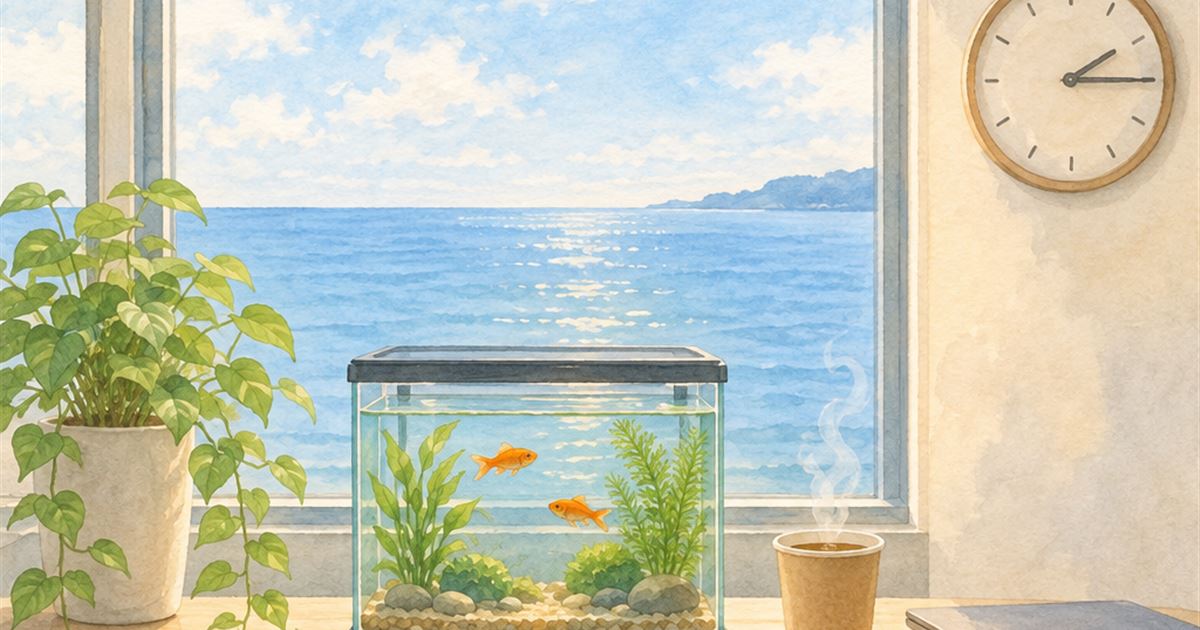
점심시간 5분 쉬는 법: 짧은 휴식과 자연 풍경이 피로에 주는 영향
점심 먹고 자리에 앉았는데 모니터 글자가 자꾸 미끄러지는 오후, 한 번쯤 있죠. 그럴 때 5분만 쉬어도 정말 달라질까요? 짧은 휴식을 연구한 논문 세 편을 바탕으로, 직장인이 부담 없이 해 볼 만한 5분 쉬는 법을 정리했어요.
짧은 휴식, 연구는 뭐라고 할까
2022년 학술지 PLOS One에 실린 메타분석은 일하는 중간의 짧은 휴식(마이크로 브레이크)을 실험한 연구들을 모았어요. 독립된 표본 22개, 참가자 2,335명의 결과예요. 결과는 이래요.
- 활력과 피로: 짧게 쉬면 활력이 올라가고(효과 크기 d=0.36) 피로가 줄었어요(d=0.35). 통계적으로 의미 있지만 효과 크기는 작은 편이라고 연구진은 정리했어요.
- 업무 성과: 전체로 보면 뚜렷한 차이가 없었어요(d=0.16). 하위 분석에서는 머리를 덜 쓰는 일에서만 효과가 보였어요.
- 휴식 길이: 휴식이 길수록 성과가 더 좋아지는 경향이 있었고, 많이 소진되는 일 뒤에는 10분보다 긴 휴식이 필요할 수 있다고 해요.
정리하면 "5분 쉬면 일이 술술 풀린다"까지는 아니고, "5분 쉬면 덜 지치고 기운이 조금 나는 편"이라는 이야기예요.
40초만 초록 풍경을 봐도 달라졌어요
2015년 학술지 Journal of Environmental Psychology에 실린 실험은 더 짧은 휴식을 봤어요. 참가자 150명이 졸리기 쉬운 주의력 과제를 하다가, 40초 동안 도시 풍경 사진을 봤어요. 한 그룹은 꽃이 핀 초록 옥상, 다른 그룹은 콘크리트 옥상을 봤어요. 초록 옥상을 본 그룹은 놓치는 실수가 더 적었고, 이후에도 반응이 더 고르게 유지됐어요.
더 긴 휴식도 살펴볼까요. 2025년 같은 학술지의 메타분석은 1시간 안의 짧은 휴식에서 자연에 노출되는 것이 주의력 회복에 평균적으로 더 도움이 되고, 특히 머리가 지쳐 있을 때 그렇다고 정리했어요. 효과는 30분 안팎에서 가장 커 보였다고 해요. 다만 점심시간 전부를 쓸 수 없는 날도 많으니, 5분이든 40초든 틈을 내는 것부터 시작하면 돼요.
물 풍경은 어떨까요
여기서 짚고 갈 점이 있어요. 위 실험들이 다룬 것은 식물이 있는 초록 풍경이에요. 물이나 수족관 풍경이 똑같은 효과를 낸다는 직접 증거는 이 세 편에는 없어요. 물고기와 수족관 감상에 관한 연구는 물멍의 과학 글에, 파도 소리 연구는 파도 소리는 왜 편안할까 글에 따로 정리해 뒀어요.
그러니 "물멍이 피로를 풀어 준다"고 단정하기보다, "잠깐 자연 풍경을 바라보는 휴식 중 하나로 물 풍경도 해 볼 만하다" 정도로 생각하면 좋아요.
점심시간 5분 쉬는 순서
- 타이머를 5분으로 맞추고 알림은 잠시 꺼 둬요.
- 자리에서 일어나 창밖이나 화분을 40초 이상 바라봐요. 연구에서 효과가 확인된 가장 짧은 시간이 40초예요.
- 눈이 편해지면 좋아하는 풍경 하나를 골라 남은 시간 동안 가만히 봐요. 하늘, 나무, 물 중 취향대로요.
- 쉬는 동안은 업무 메신저를 열지 않아요. 쉬는 시간에 일을 보면 쉰 것이 아니니까요.
- 일이 많이 지치는 날이라면 5분 대신 10분을 잡아 봐요.
화면 속 작은 바다로 5분 쉬어 가기
창밖이 회색 건물뿐인 자리라면, 화면 속 바다도 쉬는 시간을 만드는 작은 장치가 될 수 있어요. 마이리틀씨의 물멍 수족관에서 물고기가 헤엄치는 모습을 5분만 가만히 바라보며 쉬어 보세요. 휴식 효과가 입증됐다는 뜻은 아니에요. 다만 "5분은 쉰다"고 마음먹는 계기로는 충분히 쓸 만해요. 오늘 오후는 40초, 그리고 5분부터 시작해 봐요.
You sit back down after lunch and the words on your monitor start to slide around. Can five minutes of rest really change that? Based on three studies of short breaks, here is a gentle five-minute routine for the workday.
What does research say about short breaks?
A 2022 meta-analysis in PLOS One pooled experiments on micro-breaks taken during work: 22 independent samples and 2,335 participants. The findings:
- Vigor and fatigue: short breaks raised vigor (effect size d=0.36) and lowered fatigue (d=0.35). The effects were statistically significant but small, the authors say.
- Work performance: overall there was no clear difference (d=0.16). In sub-group analyses the effect showed up only for tasks with low cognitive demand.
- Break length: longer breaks tended to boost performance more, and recovering from highly draining tasks may need breaks longer than 10 minutes.
In short, it is not "five minutes and your work flows", but "five minutes and you tend to feel a little less tired and a little more energized".
Even 40 seconds of greenery made a difference
A 2015 experiment in the Journal of Environmental Psychology looked at even shorter breaks. 150 participants did a tiring attention task, then viewed a city scene for 40 seconds. One group saw a flowering green roof, the other a concrete roof. The green roof group made fewer lapses and kept a steadier response pattern afterward.
What about longer breaks? A 2025 meta-analysis in the same journal found that, for breaks under an hour, nature exposure helped restore directed attention more than non-nature conditions on average, especially when people were mentally fatigued. The benefit looked largest at around 30 minutes. If you cannot spare your whole lunch hour, start with whatever gap you have, even 40 seconds.
What about water views?
One caveat: these experiments used green, plant-filled scenes. These three studies do not directly show that water or aquarium views work the same way. Research on watching fish and aquariums is in our post The Science of Aquarium Watching, and research on wave sounds is in Why Are Ocean Waves So Calming?.
So instead of claiming that watching water cures fatigue, it is fairer to say that a water view is one reasonable way to take a short break with nature.
A five-minute lunch break routine
- Set a five-minute timer and mute notifications for a moment.
- Stand up and look out the window or at a plant for at least 40 seconds. That is the shortest break length the experiment confirmed.
- When your eyes relax, pick one view you like for the rest of the time: sky, trees, or water.
- Do not open work chat during the break. A break spent on work is not a break.
- On draining days, plan ten minutes instead of five.
Five minutes with a little sea on screen
If your window only shows gray buildings, a sea on screen can still be a small trigger for taking a break. Watch the fish swim for five quiet minutes in the My Little Sea aquarium viewer. This does not prove any rest effect, but it is a handy cue to decide "I am taking five". This afternoon, start with 40 seconds, then five minutes.
나만의 작은 바다, 직접 가꿔볼까요?
쓰레기를 치우고 수초와 산호를 심어 물고기를 키우는 힐링 게임 My Little Sea. 잔잔한 파도 소리와 함께 하루 끝에 물멍 한 스푼.
Clean up the trash, plant seaweed and coral, and raise fish in My Little Sea, a relaxing ocean game. Unwind at the end of the day with calm wave sounds.
참고 자료
- PubMed, Albulescu et al. (2022), "Give me a break!" A systematic review and meta-analysis on the efficacy of micro-breaks (PLOS One)
- Lee et al. (2015), 40-second green roof views sustain attention (Journal of Environmental Psychology)
- The relationship between nature exposures and attention restoration, as moderated by exposure duration (Journal of Environmental Psychology, 2025)
- World Economic Forum (2015), Could a green micro-break boost your productivity?
- 대표 이미지는 AI로 생성했어요. (Cover image generated with AI.)