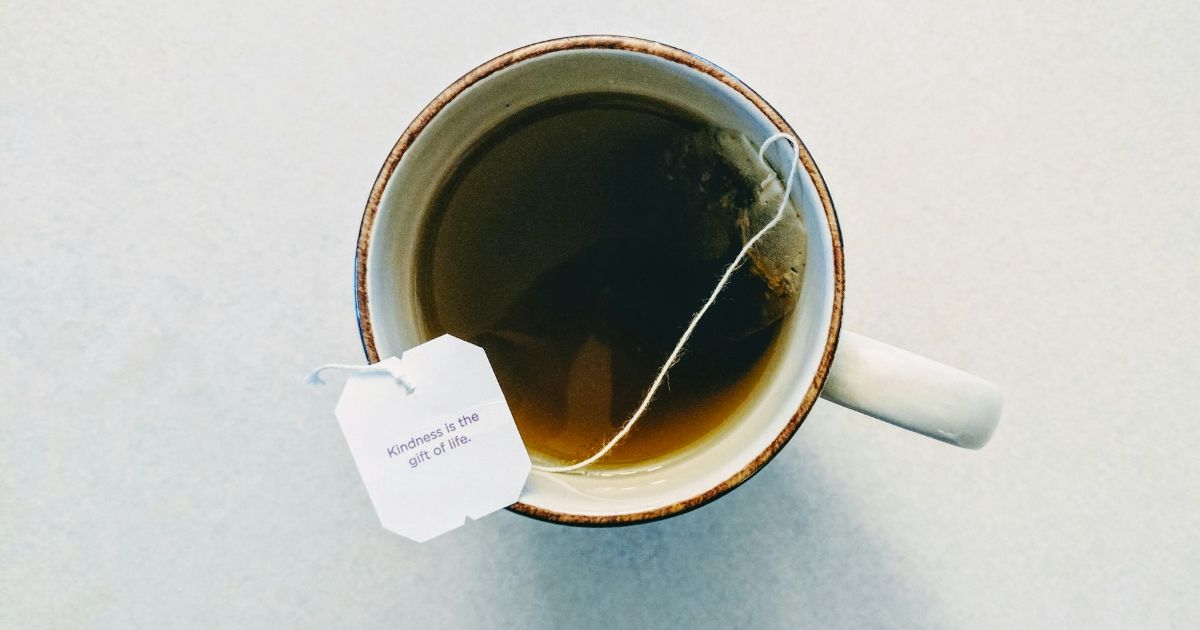
티백·컵라면·전자레인지 용기 미세플라스틱, 뭐가 사실일까
뜨거운 물에 티백을 우리고, 컵라면에 물을 붓고, 도시락을 전자레인지에 돌리는 일은 직장인의 하루에 늘 있죠. 그런데 "이때 미세플라스틱이 나온다"는 연구가 계속 나와서 걱정돼요. 숫자를 어디까지 믿어도 되는지, 건강에는 무슨 뜻인지 연구와 공공 기관 설명으로 나눠 정리했어요.
티백: "수십억 개" 연구와 반박이 함께 있어요
2019년 학술지 Environmental Science & Technology에 실린 연구는 플라스틱 티백 하나를 95도 물에 우리면 한 컵에 미세플라스틱 약 116억 개와 나노플라스틱 약 31억 개가 나온다고 보고했어요. 하지만 독일 연방위해평가원(BfR)은 2025년 8월 이 연구를 다시 평가하면서 숫자가 "일관되지 않고 분명히 너무 높다"고 봤어요.
- 1마이크로미터보다 큰 입자 수는 2~3자릿수(100~1,000배) 부풀려졌을 가능성이 크다고 했어요.
- 많은 입자는 물에 녹는 플라스틱 성분(올리고머)이 말라붙으며 입자처럼 보인 것일 수 있다고 설명했어요.
- BfR가 직접 재 보니 티백 하나당 1마이크로미터보다 큰 입자는 5,800~20,400개였고, 입자는 티백 표면에 원래 붙어 있다가 씻겨 나온 것으로 보였어요.
2026년 학술지 Scientific Reports에 실린 시판 티백 8종 조사에서도 모든 제품에서 입자 후보가 나왔어요(티백 하나당 추정 1,200~13,700개). 다만 건강 위험은 판단하지 않았고, 겉에 적힌 소재만으로는 제품 차이가 설명되지 않았어요.
컵라면 용기: 2026년 연구의 숫자와 한계
중국농업대학 연구진이 학술지 Journal of Food Composition and Analysis 2026년 10월호에 발표한 연구는 한국·중국·일본·태국 컵라면 10개 브랜드 20개를 분석했어요. 용기에 95도 물 500mL를 붓고 알루미늄 포일로 15분 덮은 뒤 포일을 벗기고 20분 더 둔 물을 살폈더니, 20개 모두에서 입자가 나왔고 논문 초록의 평균은 1개당 318개였어요. 주요 성분은 폴리에틸렌(PE), PE·PP 복합 성분, 폴리에스테르, 레이온이었고, 연구진은 종이 용기 안쪽의 플라스틱 코팅이 영향을 줬을 가능성을 제기했어요.
그런데 국내 언론 보도에 따르면 이 숫자를 그대로 받아들이기는 어려워요.
- 실험 시간(총 35분)이 실제 컵라면 조리 시간보다 길어요.
- 논문 안에서도 평균이 318개, 351개로 엇갈리고 다른 대목에는 704개라는 추정도 있어요.
- 물만 넣은 대조 시료에서도 입자 10개가 나와 실험 환경 오염 가능성이 있어요.
- 가장 많이 나온 레이온은 재생 셀룰로오스 섬유라서 일반 플라스틱과 구분해야 해요.
식품안전나라는 종이컵의 폴리에틸렌 코팅이 액체가 새는 것을 막는 용도이고, 녹는 온도가 105~110도라 끓는 물에는 거의 녹지 않는다고 설명해요(2014년 작성 안내). 이 설명은 입자 방출을 직접 다룬 최근 연구와는 다른 각도라서, 둘을 함께 알아 두면 좋아요.
전자레인지와 뜨거운 물: 열이 입자를 늘린다는 연구들
2023년 Environmental Science & Technology 연구에서는 플라스틱 용기를 여러 조건으로 시험했더니 전자레인지 가열에서 방출이 가장 많았어요. 일부 용기는 면적 1제곱센티미터당 3분 가열에 미세플라스틱 약 422만 개와 나노플라스틱 약 21억 개가 나왔고, 폴리에틸렌 파우치가 폴리프로필렌(PP) 용기보다 더 많이 내놓았어요. 실제 음식이 아니라 물과 식초물로 한 실험이에요.
- 2022년 연구는 100도 물에 일회용 컵, 포장재, 투명 용기, 발포(스티로폼) 용기를 담갔더니 1mL당 약 107만~224만 개의 입자가 나왔다고 보고했어요(60분 교반 조건).
- 2026년 10월 게재된 배달 포장용기 연구에서는 전자레인지 가열과 냉동·해동 반복이 입자 방출을 늘렸고, 재질 중 PP가 가장 적고 PLA가 가장 많았어요.
건강에는 어떨까: 확인된 것과 아직 모르는 것
BfR는 지금 알려진 지식으로는 식품 속 미세플라스틱이 건강 위험을 일으킨다는 증거가 없다고 밝혔어요. 1밀리미터보다 큰 입자는 장으로 모두 배출되고, 혈류로 퍼질 수 있는 것은 1.5마이크로미터보다 작은 입자뿐이라고 설명했어요. 다만 자료가 부족해서 몸 전체에 미치는 영향을 완전히 평가하기는 아직 어렵다고 했어요.
- 확인된 것: 가열과 뜨거운 물에서 입자가 더 나온다는 실험 결과가 여러 건 있어요.
- 아직 모르는 것: 입자 수가 실제로 우리 몸에 어떤 영향을 주는지, 실험 방법에 따라 숫자가 왜 이렇게 다른지는 계속 연구 중이에요.
오늘부터 해 볼 수 있는 작은 습관
아래는 열과 접촉 시간을 줄이는 쪽의 상식적인 방법이에요. 효과가 연구로 입증된 방법은 아니라는 점은 알아 두세요.
- 도시락은 '전자레인지용' 표시를 확인하고, 일회용 용기째 돌리기보다 유리·도자기 그릇에 옮겨 데워요. 식품안전나라는 종이, 유리, 도자기, PP 같은 재질이 전자레인지에 쓸 수 있고, 멜라민수지, 페놀수지, PET, 알루미늄 포일은 부적절하다고 안내해요.
- 컵라면은 용기째 오래 두지 말고, 그릇에 옮겨 담아 먹는 방법도 있어요.
- 티백 대신 잎차와 유리·스테인리스 차 거름망을 쓰면 일회용 쓰레기도 줄어요.
- 텀블러와 다회용기를 쓰면 일회용 컵과 용기가 쓰레기로 나가는 양이 줄어요.
일회용 컵과 용기, 그 뒤의 바다
한 번 쓰고 버리는 컵과 용기는 버려진 뒤에도 문제가 이어져요. 바다에 떠다니는 쓰레기 숫자는 바다 쓰레기 통계 페이지에서, 어떤 쓰레기가 있는지는 해양쓰레기 도감에서 볼 수 있어요. 생수 이야기는 생수 미세플라스틱 글에서 다뤘고, 내 하루 플라스틱 계산기로 내 하루를 가볍게 돌아볼 수도 있어요. My Little Sea에서 화면 속 바다의 쓰레기를 치우며 현실의 바다도 한 번 떠올려 보세요.
Steeping a tea bag, pouring hot water into a cup of instant noodles, and microwaving a lunch box are everyday moments for office workers. But studies keep saying that microplastics come out in these moments. Here is how far the numbers can be trusted and what they mean for health, based on research and public agencies.
Tea Bags: A "Billions" Study and Its Rebuttal
A 2019 study in Environmental Science & Technology reported that steeping one plastic tea bag at 95 °C releases about 11.6 billion microplastics and 3.1 billion nanoplastics into a cup. But in August 2025 Germany's Federal Institute for Risk Assessment (BfR) re-assessed it and called the numbers inconsistent and clearly too high.
- It said the count of particles larger than 1 micrometer is probably two to three orders of magnitude too high.
- It explained that many "particles" were likely dissolved plastic oligomers that dried into particle-like residue.
- BfR's own measurements found 5,800 to 20,400 particles larger than 1 micrometer per tea bag, apparently already stuck on the surface and washed off.
A 2026 Scientific Reports screening of eight commercial tea bags also found particle candidates in every product (an estimated 1,200 to 13,700 per bag). It did not assess health risk, and the declared material alone did not explain differences between products.
Cup Noodle Containers: The 2026 Numbers and Their Limits
A study by China Agricultural University in the October 2026 issue of the Journal of Food Composition and Analysis tested 20 cup noodles from 10 brands in Korea, China, Japan and Thailand. Each container got 500 mL of 95 °C water, was covered with foil for 15 minutes, then left uncovered for 20 more minutes. Particles appeared in all 20, with an abstract average of 318 per cup. The main materials were polyethylene (PE), PE-PP composites, polyester and rayon, and the authors suggested the plastic lining inside paper containers may have contributed.
However, according to Korean news coverage, the figure is hard to take at face value.
- The 35-minute test is longer than real cooking time for cup noodles.
- The paper itself reports 318 and 351 as averages, and another section estimates 704.
- A blank sample with no container still showed 10 particles, so lab contamination is possible.
- Rayon, the most common material, is regenerated cellulose and should be separated from ordinary plastics.
Korea's Food Safety Korea site explains that the polyethylene coating on paper cups keeps liquid from leaking and melts at 105 to 110 °C, so it barely dissolves in boiling water (a 2014 notice). That is a different angle from recent studies that measure particle release directly, so it helps to know both.
Microwaves and Hot Water: Studies Where Heat Releases More
A 2023 Environmental Science & Technology study tested plastic containers under several conditions, and microwave heating released the most. Some containers released about 4.22 million microplastics and 2.11 billion nanoplastics per square centimeter in 3 minutes, and a polyethylene pouch released more than polypropylene (PP) containers. It used water and acetic acid as food simulants, not real food.
- A 2022 study soaked disposable cups, packaging, clear boxes and foam boxes in 100 °C water and reported about 1.07 to 2.24 million particles per mL (60-minute agitation).
- A study published online in October 2026 on takeout containers found that microwaving and repeated freeze-thaw cycles increased particle release; PP released the least and PLA the most.
What About Health: Confirmed and Still Unknown
BfR says that, with current knowledge, there is no evidence that microplastics in food harm human health. It notes that particles larger than 1 millimeter are excreted through the gut and only particles under 1.5 micrometers can spread through the bloodstream. But data are still too limited for a full assessment of effects on the body.
- Confirmed: several experiments show more particles coming out with heat and hot water.
- Still unknown: what these particle counts mean for our bodies, and why methods produce such different numbers, remain under study.
Small Habits You Can Try Today
These are common-sense ways to reduce heat and contact time. They have not been proven by research to work.
- Check for a "microwave-safe" label, and move food to a glass or ceramic dish instead of heating it in a disposable container. Food Safety Korea lists paper, glass, ceramic and PP as usable in microwaves, and melamine resin, phenol resin, PET and aluminum foil as unsuitable.
- For cup noodles, avoid leaving the food in the container for long. Moving it to a bowl is one option.
- Loose-leaf tea with a glass or stainless steel infuser also cuts disposable waste.
- Using a tumbler and reusable containers reduces how many disposable cups and containers become trash.
Disposable Cups and Containers, and the Sea Beyond
Single-use cups and containers keep causing problems after they are thrown away. You can see numbers on ocean trash on the ocean trash statistics page and browse the kinds of trash in the marine debris guide. We covered bottled water in our bottled water microplastics post, and the daily plastic calculator lets you look back over your own day. While you clear trash from the sea on screen in My Little Sea, take a moment to think about the real ocean too.
나만의 작은 바다, 직접 가꿔볼까요?
쓰레기를 치우고 수초와 산호를 심어 물고기를 키우는 힐링 게임 My Little Sea. 잔잔한 파도 소리와 함께 하루 끝에 물멍 한 스푼.
Clean up the trash, plant seaweed and coral, and raise fish in My Little Sea, a relaxing ocean game. Unwind at the end of the day with calm wave sounds.
참고 자료
- Environmental Science & Technology (2019), Plastic Teabags Release Billions of Microparticles and Nanoparticles into Tea
- BfR (2025), BfR assesses study on tea bags and microplastic particles
- Scientific Reports (2026), Microplastic release from fiber and coated commercial tea bags
- 세계일보 (2026-11-08), 컵라면에 95도 물 붓자 미세플라스틱 318개?
- 식품안전나라, 종이컵에 폴리에틸렌 코팅은 왜 하나요?
- Environmental Science & Technology (2023), Assessing the Release of Microplastics and Nanoplastics from Plastic Containers and Reusable Food Pouches
- Science of the Total Environment (2022), Disposable plastic materials release microplastics and harmful substances in hot water
- ScienceDirect (2026), Microwave Heating and Freeze-Thaw Cycles Exacerbate Microplastics and Nanoparticles Release from Plastic Takeout Food Containers
- 식품안전나라, 전자레인지 전용 식품용기, 바로 알고 사용해요!
- 대표 사진: Drew Taylor / Unsplash