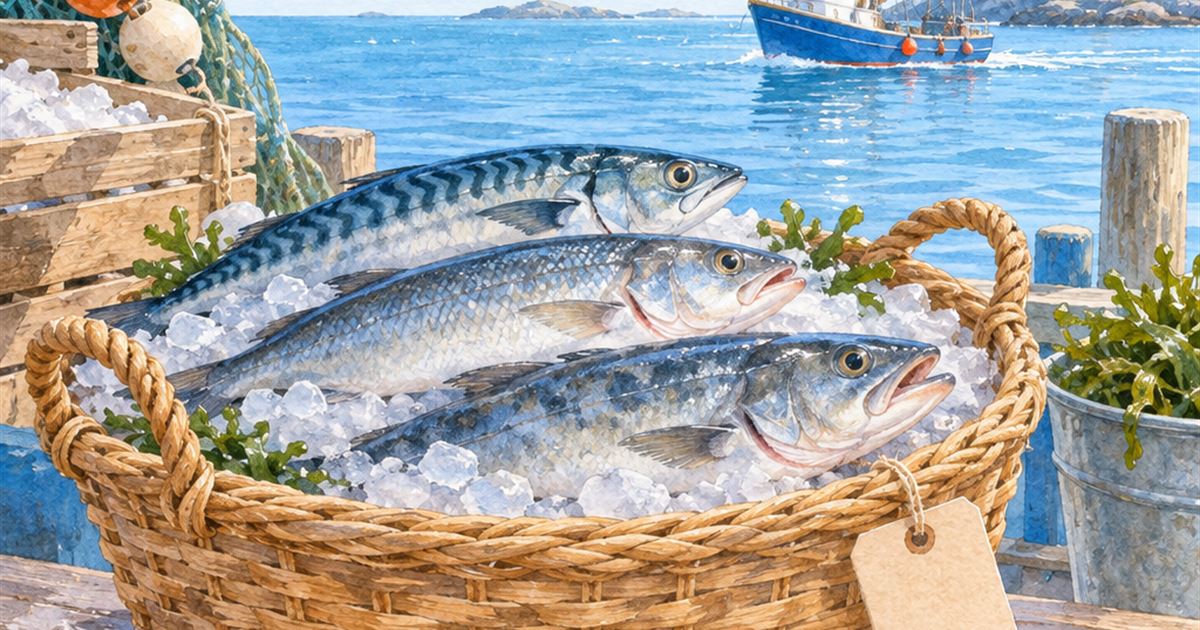
11월 21일 세계 수산의 날, 바다를 지키는 수산물 고르는 법
11월 21일은 세계 수산의 날(World Fisheries Day)이에요. 바다와 강에서 물고기를 잡고 기르는 사람들, 그리고 그 물고기가 앞으로도 바다에 계속 남아 있을 수 있을지를 함께 생각해 보는 날이에요. 오늘은 이 날이 어떻게 생겼는지, 지금 바다의 물고기 사정은 어떤지, 그리고 퇴근길 장보기에서 할 수 있는 작은 선택을 정리해 봤어요.
세계 수산의 날은 어떻게 생겼을까요?
시작은 1997년 11월 21일 인도 뉴델리예요. 인도 정부의 설명 자료에 따르면 이날 18개 나라의 어민과 수산업 종사자 대표가 모여 세계수산포럼(World Fisheries Forum)을 만들고, 지속 가능한 어업 방식과 정책을 전 세계에 요구하는 선언에 서명했어요.
이 모임을 만든 소규모 어민 단체들은 그 뒤로 해마다 11월 21일을 세계 수산의 날로 기념해 왔어요. 지금은 여러 나라 정부와 유엔식량농업기구(FAO) 같은 기관도 이 날을 함께 챙겨요. 남획, 서식지 파괴, 불법 어업처럼 수산자원을 위협하는 문제에 관심을 모으자는 것이 이 날의 뜻이에요.
지금 바다의 물고기는 얼마나 남아 있을까요?
FAO가 2026년에 낸 「세계 수산·양식 현황(SOFIA 2026)」 보고서에 따르면, FAO가 평가한 해양 어족자원 가운데 생물학적으로 지속 가능한 수준에서 잡히는 자원의 비율은 2023년 기준 62.4%예요. 2021년의 64.5%보다 2.1%포인트 낮아졌어요. 보고서는 이 하락에 평가 방법이 바뀐 영향과 일부 해역의 실제 악화가 함께 들어 있다고 설명해요.
조금 반가운 숫자도 있어요. 잡히는 양을 기준으로 다시 계산하면 평가 대상 어획량의 72.6%가 지속 가능한 자원에서 나와요. 크고 생산량이 많은 자원일수록 관리가 더 잘되는 편이라는 뜻이에요. 거꾸로 보면 관리가 약한 바다와 어종에서는 아직 남획이 이어지고 있다는 이야기이기도 해요.
물고기를 잡다 보면 원하지 않는 생물이 함께 걸리기도 해요. 미국 해양대기청(NOAA)은 이렇게 버려지거나 다치는 생물을 혼획(bycatch)이라고 부르고, 물고기뿐 아니라 돌고래, 고래, 바다거북, 바닷새도 그물이나 낚싯바늘에 걸릴 수 있다고 설명해요. 바다에 버려진 그물이 계속 생물을 잡는 문제는 유령어업 글에서 따로 다뤘어요.
장바구니에서 찾아볼 수 있는 표시들
수산물을 고를 때 포장에서 찾아볼 만한 표시가 몇 가지 있어요. 모든 상품에 붙어 있는 건 아니지만, 눈에 띄면 한 번쯤 살펴볼 만해요.
- MSC 파란 물고기 라벨: 자연에서 잡은 수산물에 붙어요. 자원이 건강한지, 주변 생태계에 주는 영향이 적은지, 관리가 제대로 되는지를 독립 심사 기관이 확인한 어업이라는 뜻이에요. 양식 수산물은 이 라벨의 대상이 아니에요.
- ASC 라벨: 양식 수산물을 위한 인증이에요. 물고기의 건강과 복지, 양식장 주변의 물과 생태계, 사료를 어디서 구했는지, 일하는 사람과 지역 주민까지 함께 살펴봐요.
- 수산물 이력제 표시: 우리나라 제도예요. 포장에 적힌 13자리 이력번호를 수산물이력제 누리집에 넣거나 QR 코드를 찍으면 생산 정보를 확인할 수 있어요.
미국 몬터레이베이 수족관의 시푸드 워치(Seafood Watch)처럼 신호등 색으로 수산물을 안내하는 곳도 있어요. 초록은 먼저 고를 것, 노랑은 초록이 없을 때의 대안, 빨강은 지금은 피할 것이라는 뜻이에요. 다만 미국 시장을 기준으로 만든 안내라서 우리 장바구니에서는 참고용으로 보면 좋아요.
퇴근길 장보기에서 해 볼 수 있는 작은 습관
- 라벨 한 번 뒤집어 보기: 원산지와 함께 위의 인증 표시나 이력번호가 있는지 살펴봐요. 몇 초면 충분해요.
- 금어기와 금지체장 기억하기: 우리나라는 수산자원관리법으로 산란기 어미 물고기와 어린 물고기를 잡지 못하는 기간(금어기)과 크기(금지체장)를 정해 두었어요. 해양수산부와 국립수산과학원은 어업인뿐 아니라 낚시인 같은 비어업인도 꼭 지켜야 한다고 안내해요. 낚시나 체험 중에 너무 작은 물고기가 잡히면 놓아주세요.
- 먹을 만큼만 사기: 사 놓고 버리는 생선이 줄면 바다에서 온 한 끼를 끝까지 소중히 먹는 셈이에요.
- 궁금하면 물어보기: "이건 어디서 온 거예요?" 하고 묻는 습관이 생기면 출처를 잘 알려 주는 가게를 고르기도 쉬워져요.
오늘 밤, 작은 바다 한 칸
바다의 물고기는 저절로 끝없이 늘어나지 않아요. My Little Sea에서 쓰레기를 치운 바다에 작은 물고기를 하나씩 풀어 주다 보면, 물고기가 사는 바다를 지키는 일이 여러 사람의 손길로 이어진다는 걸 한 번 더 떠올리게 돼요. 게임 속 물고기들이 실제 바다에서는 어떻게 사는지 물고기 도감에서도 볼 수 있어요. 이번 세계 수산의 날에는 장바구니 속 생선 한 마리의 출처를 확인해 보는 것부터 시작해 볼까요?
November 21 is World Fisheries Day. It is a day to think about the people who catch and farm fish in our seas and rivers, and about whether those fish will still be there in the years ahead. Here is how the day began, how the world's fish stocks are doing right now, and a few small choices you can make on your way home from work.
How did World Fisheries Day begin?
It started on November 21, 1997, in New Delhi, India. According to a backgrounder from the Indian government, representatives of fishers and fish workers from 18 countries met that day, formed the World Fisheries Forum, and signed a declaration calling for sustainable fishing practices and policies around the world.
The small-scale fisher organizations behind that meeting have marked November 21 as World Fisheries Day ever since. Today many governments and UN bodies such as the Food and Agriculture Organization (FAO) observe it too. The goal is to draw attention to threats like overfishing, habitat destruction, and illegal fishing.
How many fish are left in the sea?
FAO's State of World Fisheries and Aquaculture 2026 (SOFIA 2026) reports that 62.4 percent of the marine fish stocks it assessed were fished within biologically sustainable levels in 2023. That is 2.1 percentage points lower than the 64.5 percent recorded for 2021. The report says the drop reflects both changes in assessment methods and real declines in some regions.
There is a more hopeful number, too. When weighted by volume, 72.6 percent of the landings from assessed stocks came from sustainably fished stocks, which suggests that larger, more productive stocks tend to be better managed. Put the other way around, overfishing is still happening where management is weak.
Fishing can also catch animals nobody meant to catch. NOAA Fisheries calls this bycatch: animals that are discarded or harmed, including not only fish but also dolphins, whales, sea turtles, and seabirds that get hooked or tangled in fishing gear. We covered lost nets that keep on catching in our ghost fishing post.
Labels to look for in your shopping basket
A few marks on seafood packaging are worth knowing. Not every product carries them, but when you spot one, it tells you something useful.
- MSC blue fish label: Found on wild-caught seafood. It means the fishery was checked by independent assessors for healthy fish stocks, low impact on the surrounding ecosystem, and effective management. Farmed seafood is not covered by this label.
- ASC label: The certification for farmed seafood. It looks at fish health and welfare, the water and wildlife around the farm, where the feed comes from, and the workers and local communities.
- Korea's seafood traceability mark: In Korea, you can type the 13-digit traceability number on the package into the government's Seafood Traceability website, or scan the QR code, to see where the product came from.
Some guides use traffic-light colors, like the Monterey Bay Aquarium's Seafood Watch. Green means buy first, yellow is a good alternative when green is not available, and red means take a pass for now. It is built for the U.S. market, so outside the U.S. it works best as a general reference.
Small habits for the after-work grocery run
- Flip the package over: Check the origin, and look for a certification label or traceability number. It only takes a few seconds.
- Remember closed seasons and minimum sizes: Korea's Fisheries Resources Management Act sets periods and sizes when spawning adults and young fish may not be caught. Korea's Ministry of Oceans and Fisheries and its National Institute of Fisheries Science say these rules apply to everyone, including recreational anglers. If you catch a fish that is too small, let it go.
- Buy only what you will eat: Less fish thrown away at home means every meal that came from the sea gets used in full.
- Ask where it came from: Once asking "Where is this from?" becomes a habit, it gets easier to find shops that share that information.
A little patch of sea tonight
Fish in the sea do not keep multiplying on their own. In My Little Sea, releasing little fish one by one into water you have cleaned up is a gentle reminder that a healthy sea is kept that way by many hands. You can also see how the game's fish live in the real ocean in our Fish Guide. This World Fisheries Day, why not start by checking where one fish in your shopping basket came from?
나만의 작은 바다, 직접 가꿔볼까요?
쓰레기를 치우고 수초와 산호를 심어 물고기를 키우는 힐링 게임 My Little Sea. 잔잔한 파도 소리와 함께 하루 끝에 물멍 한 스푼.
Clean up the trash, plant seaweed and coral, and raise fish in My Little Sea, a relaxing ocean game. Unwind at the end of the day with calm wave sounds.
참고 자료
- Press Information Bureau (Government of India), World Fisheries Day 2024
- World Forum of Fisher Peoples, Newsletter November 2016
- FAO, The State of World Fisheries and Aquaculture 2026: The status of fishery resources
- FAO, SOFIA 2026 Core messages
- NOAA Fisheries, Understanding Bycatch
- Marine Stewardship Council, The MSC blue fish label: what it means for you
- Marine Stewardship Council, MSC FAQs
- Aquaculture Stewardship Council, Our label
- 수산물안전정보서비스, 생산정보 중심으로 재편되는 수산물 이력제
- 국립수산물품질관리원, 수산물이력제
- 해양수산부·국립수산과학원, 금어기·금지체장 준수 안내
- Monterey Bay Aquarium, Seafood Watch
- 대표 이미지는 AI로 생성했어요.Cover image generated with AI.