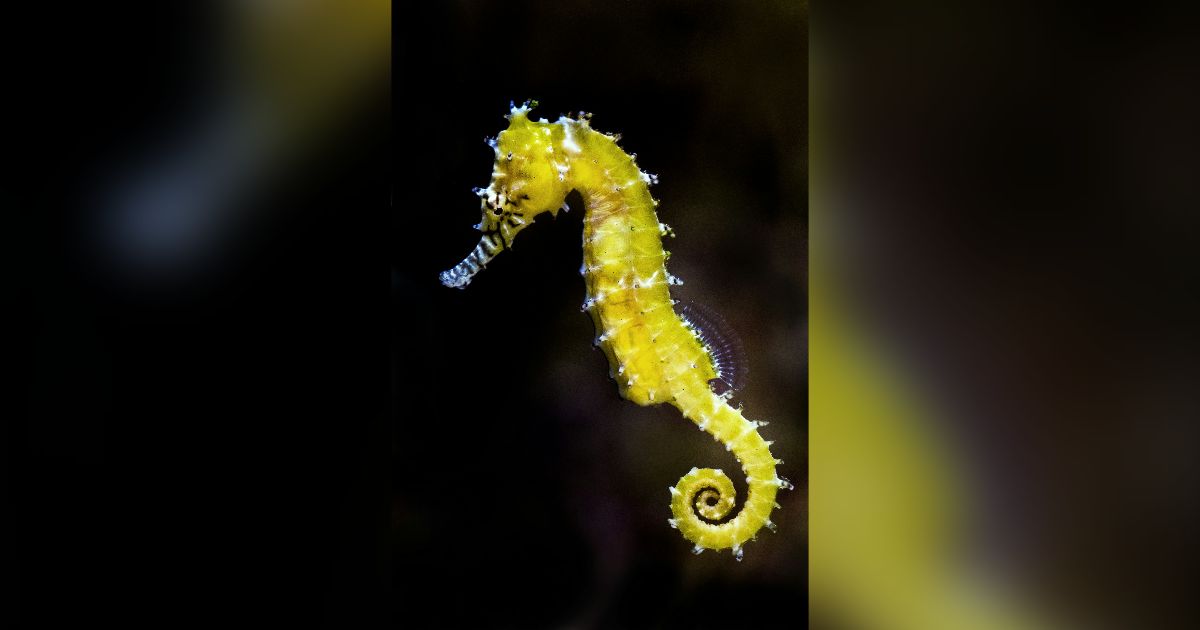
해마 수컷이 임신하는 이유: 알 품는 주머니와 해마 생태
꼿꼿이 선 채로 헤엄치는 해마는 물멍할 때 눈길이 오래 가는 생물이에요. 수컷이 임신해서 새끼를 낳는 것으로 유명한데, 어떻게 가능한지까지 공공기관과 연구 단체 자료로 정리했어요.
수컷이 임신하는 유일한 동물 무리
NOAA 국립해양서비스는 해마와 가까운 친척인 해룡이 수컷이 임신하고 새끼를 낳는 유일한 무리라고 설명해요. 암컷이 다 익은 알을 수컷의 알 주머니에 옮기면 그 안에서 알이 수정돼요.[1]
수컷이 임신했다고 해서 암컷이 되는 건 아니에요. 정자를 내는 쪽이 수컷, 알을 내는 쪽이 암컷이라는 기준은 해마도 같고, 알을 품는 일만 수컷이 맡아요.[1]
알 주머니는 어떻게 일할까
프로젝트 시호스는 알 주머니가 자궁처럼 산소와 영양을 주고 노폐물을 내보낸다고 소개해요. 임신 기간 동안 주머니 속 액체는 몸속 체액과 비슷한 상태에서 바닷물에 가까운 상태로 서서히 바뀌어서, 새끼가 태어날 때 받는 스트레스를 줄여 줘요.[2]
임신은 종과 수온에 따라 약 10일에서 6주쯤 이어지고, 끝날 때 수컷은 몇 시간 동안 몸을 움직여 새끼를 밀어내요. 낳는 새끼 수는 아주 적은 경우부터 수천 마리까지 종마다 달라요.[2]
사는 곳과 헤엄치는 방법
해마는 모두 바다에 사는 종이고, 잘피밭, 맹그로브 뿌리, 산호초가 있는 얕은 온대·열대 바다에서 주로 살아요. 어떤 종은 염분 변화가 큰 기수역에서도 볼 수 있어요.[2]
헤엄은 빠르게 떨리는 등지느러미로 앞으로 나아가고, 몸 양쪽의 가슴지느러미로 방향과 균형을 잡아요. 빠르기보다 방향을 바꾸는 데 알맞은 몸이라서, 도망치기보다 몸 색을 바꿔 숨는 데 더 많이 기대요. 꼬리는 잘피나 산호를 붙잡는 데 써요.[2]
이빨도 위도 없는 사냥꾼
해마는 위와 이빨이 없어요. 대롱처럼 생긴 주둥이로 작은 갑각류와 플랑크톤을 빨아들여 삼켜요. PBS 자연 프로그램 자료는 어른 해마가 먹이가 충분하면 하루에 30~50번 먹는다고 소개해요.[4]
크기와 수명은 종마다 달라요
브리태니커는 해마의 몸길이가 약 2~35cm 범위라고 설명해요. 수명은 야생에서 거의 알려지지 않았고, 대부분 사육 관찰에서 나온 추정이에요. 가장 작은 종은 약 1년, 큰 종은 평균 3~5년으로 알려져 있어요.[3]
자주 묻는 질문
해마는 정말 수컷이 새끼를 낳나요?
네. 암컷이 수컷의 알 주머니에 알을 넣으면 수컷이 알을 수정하고 품다가 새끼를 낳아요.
해마는 몇 년 살까요?
종마다 달라요. 가장 작은 종은 약 1년, 큰 종은 평균 3~5년으로 알려져 있어요. 야생 수명은 거의 알려지지 않았어요.
Why Male Seahorses Get Pregnant: The Brood Pouch and Seahorse Biology
A seahorse swimming upright is a fine sight during an aquarium break. Males are famous for getting pregnant, so here is how that works, based on public agencies and research groups.
The only animals where the male gets pregnant
NOAA says seahorses and their close relatives, sea dragons, are the only group in which the male gets pregnant and gives birth. The female moves her mature eggs into the male's brood pouch, where they are fertilized.[1]
A pregnant male does not become a female. As in other animals, the one that provides sperm is the male and the one that provides eggs is the female; only the carrying is done by the male.[1]
How the brood pouch works
Project Seahorse says the pouch acts like a womb, providing oxygen and nutrients and removing waste. Over the pregnancy the fluid inside slowly changes from something like body fluid to something more like seawater, which reduces stress for the young at birth.[2]
Pregnancy lasts roughly 10 days to 6 weeks depending on the species and water temperature. At the end the male works his body for hours to push the young out. The number of young ranges from very few to several thousand, depending on the species.[2]
Where they live and how they swim
All seahorses are marine, living mostly in shallow temperate and tropical waters among seagrass beds, mangrove roots and coral reefs. Some species also live in estuaries with changing salinity.[2]
They move forward with a rapidly fluttering dorsal fin and steer with the pectoral fins on each side. Their bodies suit maneuvering better than speed, so they rely on camouflage more than escape, and use the tail to grip seagrass or coral.[2]
Hunters with no teeth or stomach
Seahorses have no stomach and no teeth. They suck small crustaceans and plankton through a tube-like snout and swallow them whole. PBS Nature says adults eat 30 to 50 times a day when food is available.[4]
Size and lifespan vary by species
Britannica gives a body length range of about 2-35 cm. Wild lifespans are almost unknown, and most estimates come from captive animals: about one year for the smallest species and an average of three to five years for larger ones.[3]
FAQ
Do male seahorses really give birth?
Yes. The female puts eggs in the male's brood pouch, and he fertilizes them, carries them and gives birth.
How long do seahorses live?
It depends on the species: about 1 year for the smallest and an average of 3-5 years for larger ones. Wild lifespans are almost unknown.